
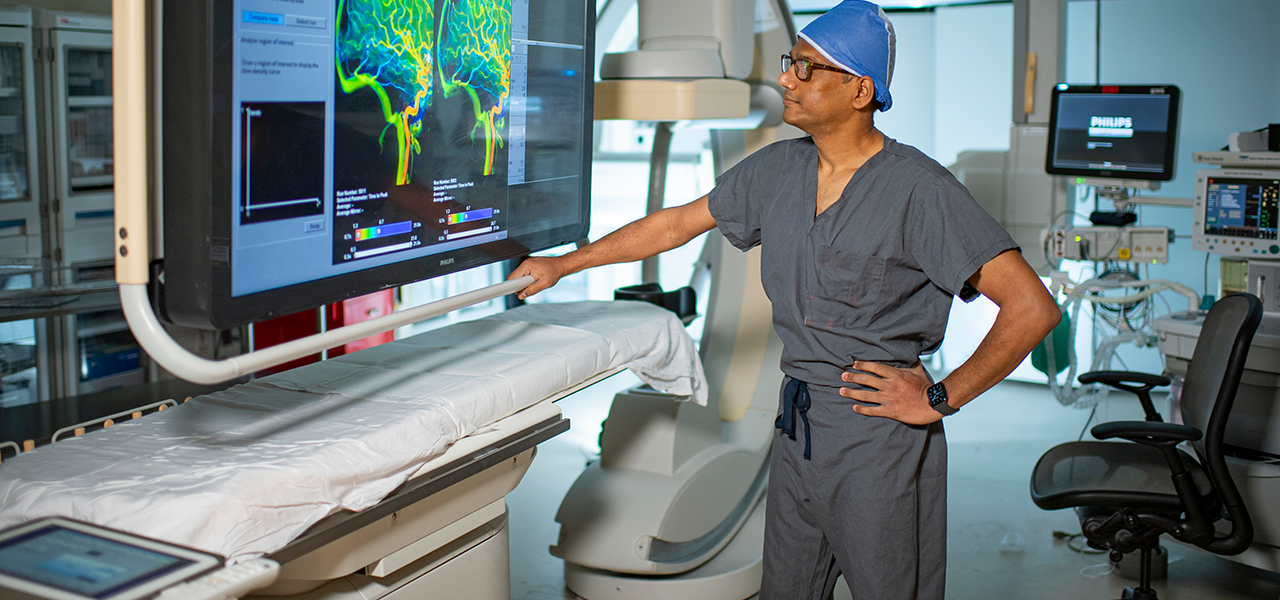
Interventional neuroradiology (INR), also known as endovascular surgical neuroradiology, is a cutting-edge medical specialty that uses minimally invasive techniques to diagnose and treat conditions of the brain, spine, and blood vessels, without the need for traditional open surgery.
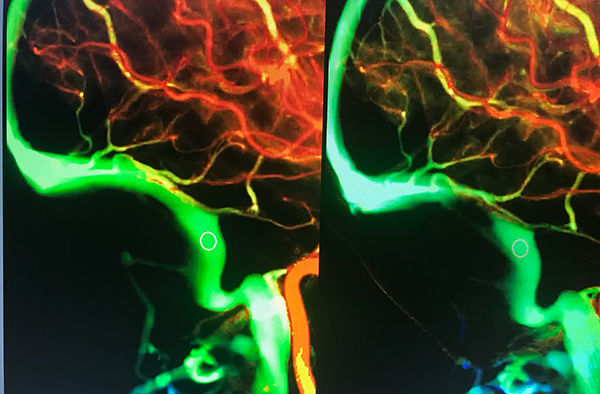
Imagine tiny tools, like catheters (thin, flexible tubes), being guided through blood vessels to reach problem areas in the brain or spine. Using advanced imaging such as X-rays, CT scans, or MRIs, acting as real-time navigation guidance (like internal GPS), the doctor can see inside the body while performing the procedure. Treatments might include placing small devices like stents (tiny tubes) to open blocked blood vessels, sealing off aneurysms (bulging blood vessels), or stopping abnormal bleeding — all through small incisions, usually in the groin or wrist.
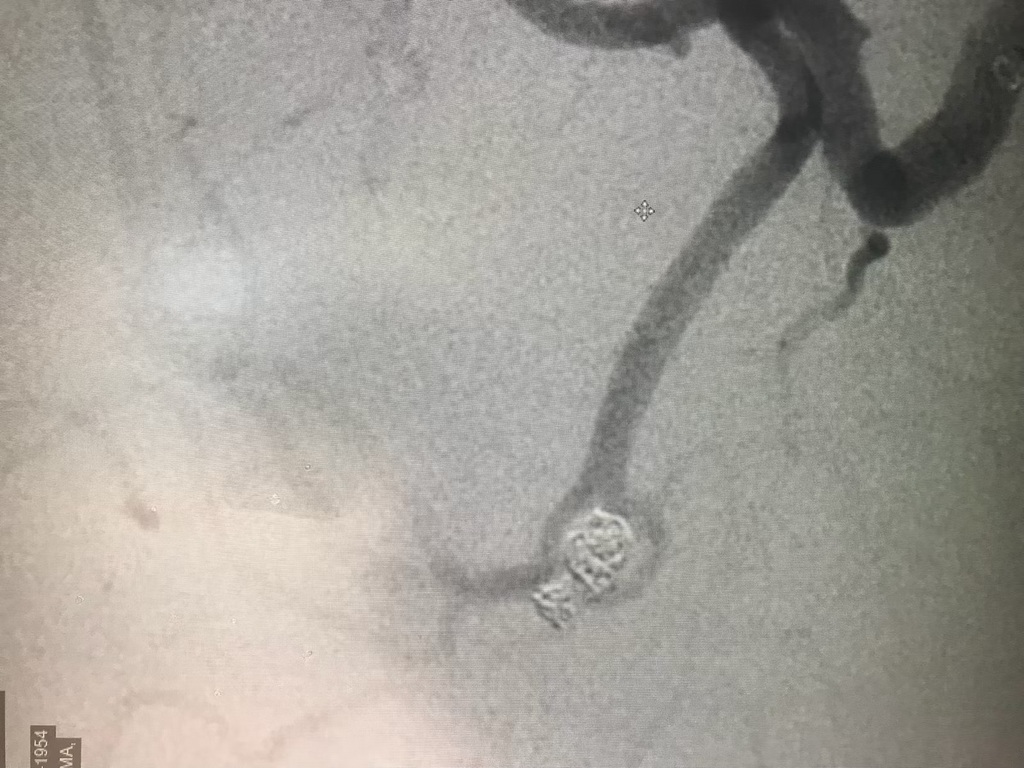
Interventional neuroradiology/endovascular surgery allows doctors to treat serious conditions like aneurysms, AVMs, AVFs, strokes, and spinal fractures from inside with less risk, less pain, and quicker recovery times compared to traditional surgery. Many of these procedures don't even require an overnight stay - patients often go home the same day!
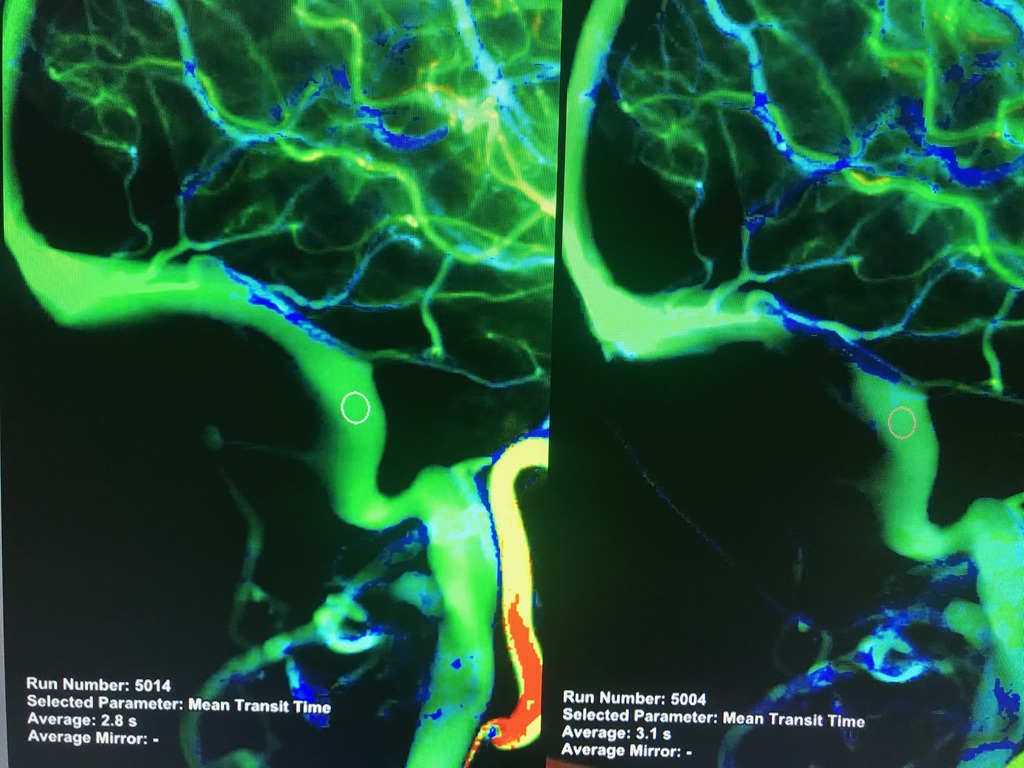
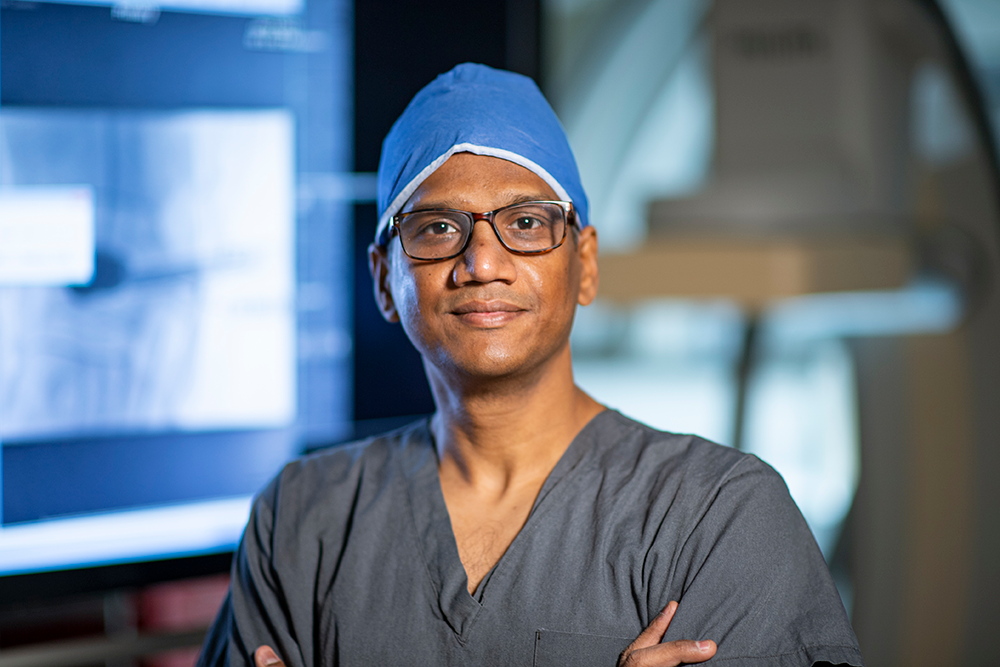
Dr. Boddu is widely published in his field and is considered one of the world's top experts in pulsatile tinnitus, idiopathic intracranial hypertension, AVMs, aneurysms, arteriovenous fistula, blocked carotid arteries, venous sinus stenosis, and spinal compression fractures.
Material on this site is for informational purposes only and is not a substitute for medical advice. Dr. Boddu cannot provide individual medical advice online; please contact his office for assistance.
To request an appointment with Dr. Boddu, please use WhatsApp: +971 508507379